 English
Company News
Home / News / Company News / Zhejiang Qibin Steel Pipe Technology Co., Ltd. Takes You Through Seamless Steel Pipes

What is a Seamless Steel Pipe?
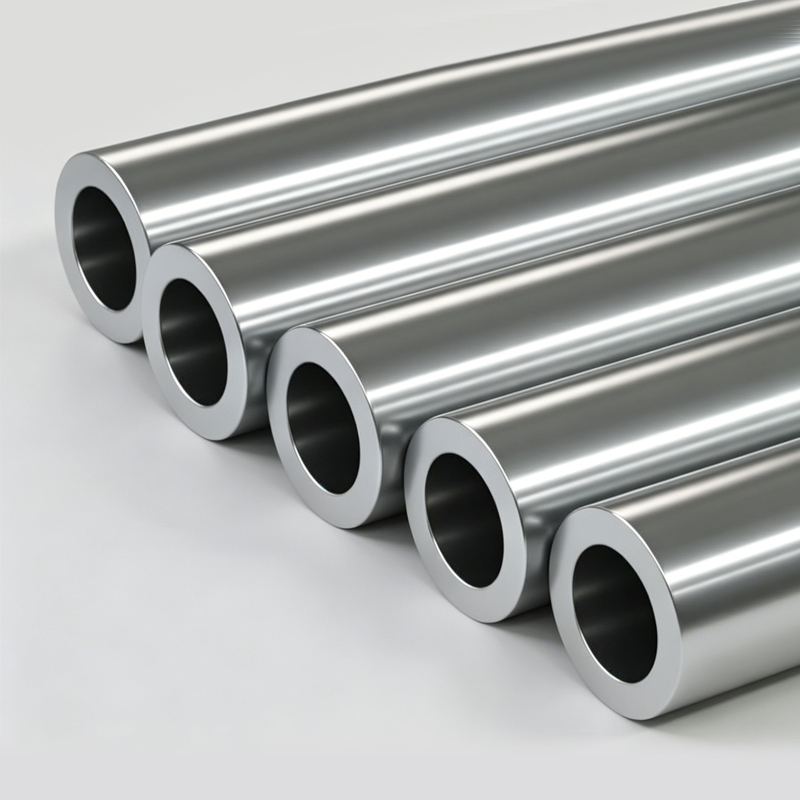
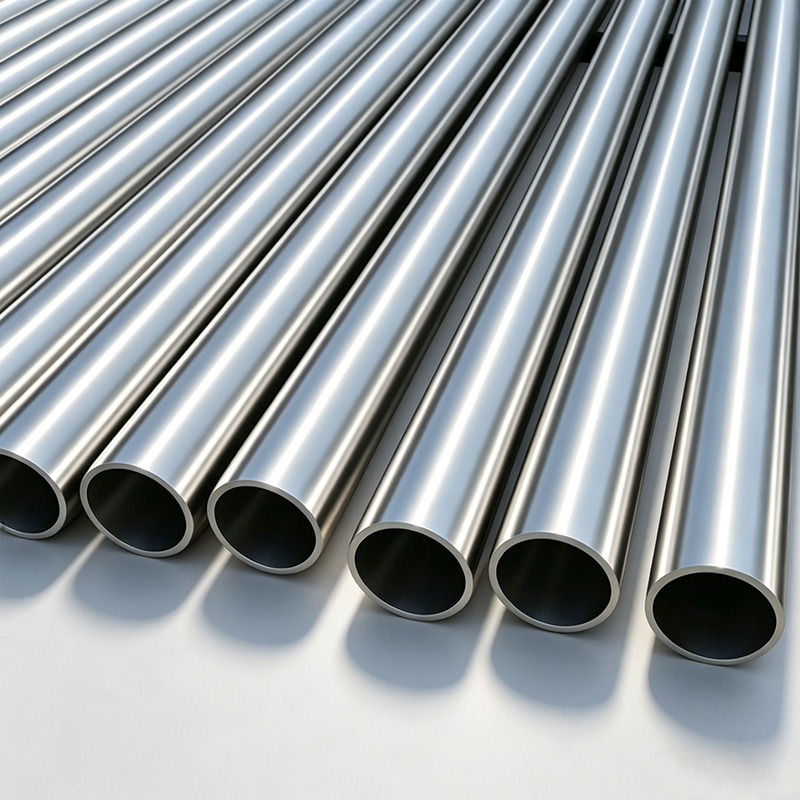
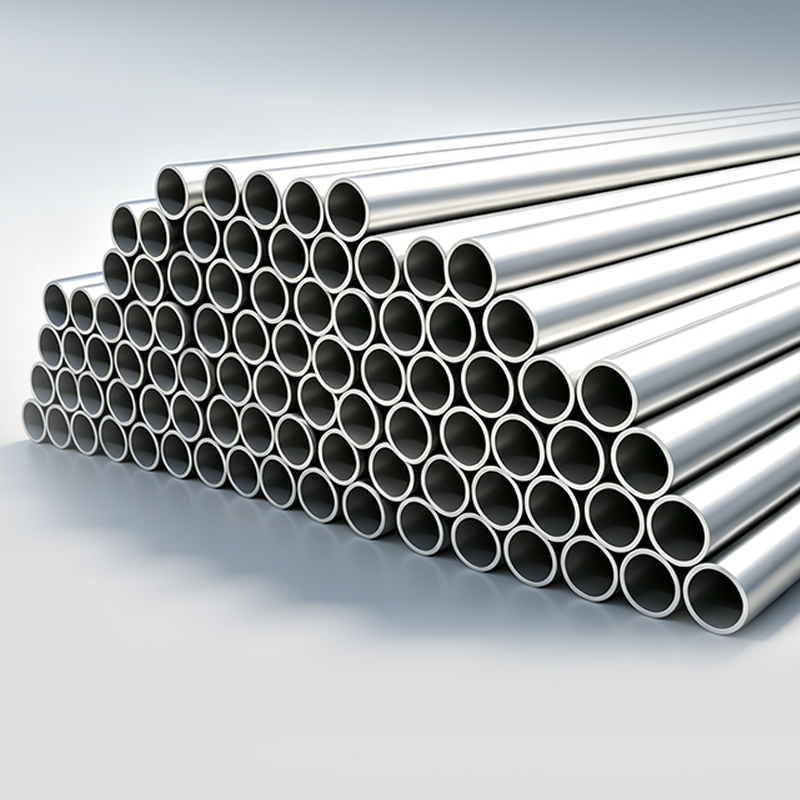
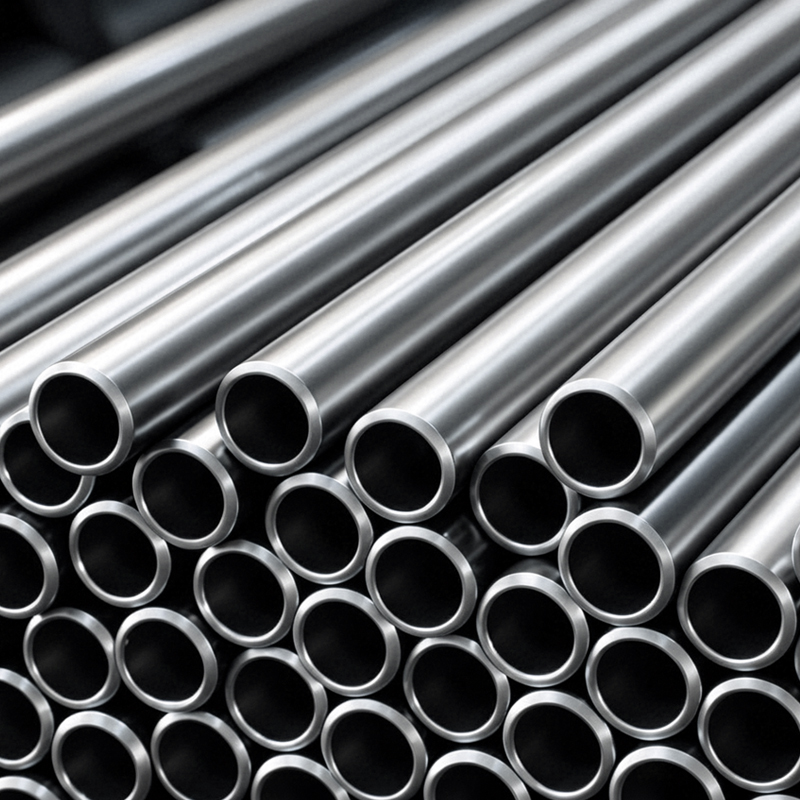
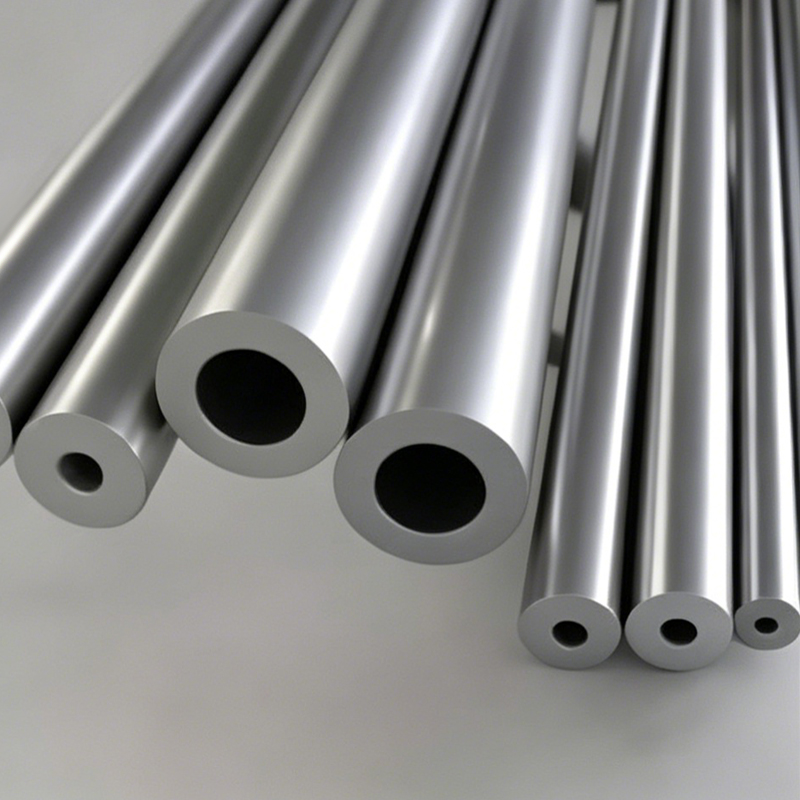
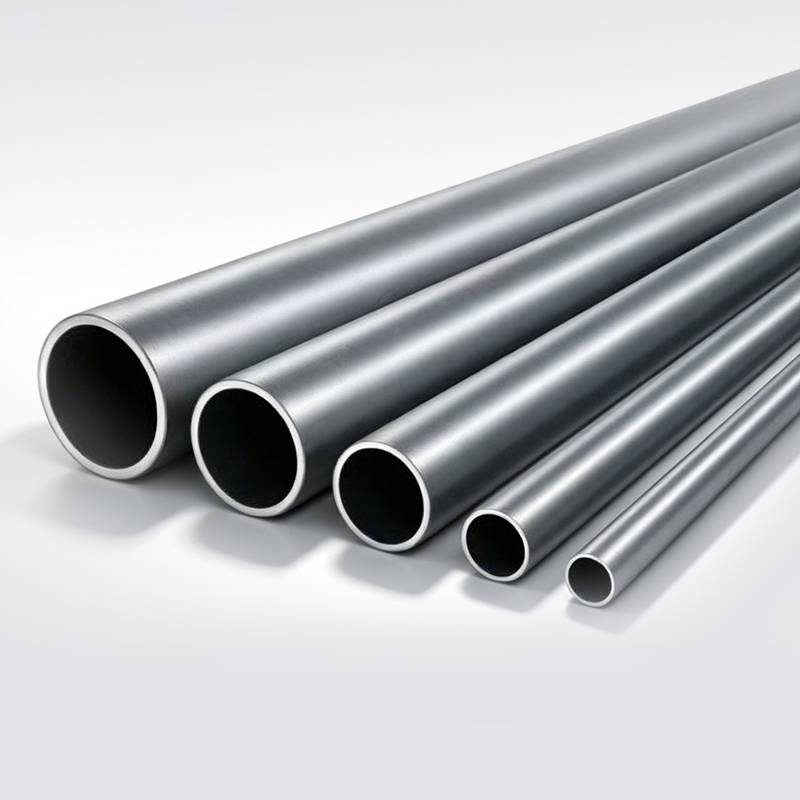
A seamless steel pipe is a long steel product with a hollow cross-section and no joints around its circumference. It is manufactured by piercing a steel ingot or solid tube billet, followed by hot rolling, cold rolling, or cold drawing. Seamless steel pipes are widely used as pipelines for fluid transportation, particularly as pressure pipes and structural load-bearing members in construction engineering, and are suitable for various engineering conditions.
Thermally Expanded Pipes
Thermally expanded pipes are large-diameter, thick-walled seamless steel pipes. They are produced by heating rolled thick-walled seamless steel pipes and then expanding them under pressure. During the expansion process, due to uneven temperature and varying expansion speeds, the wall thickness increases unevenly. Generally, for seamless steel pipes with a wall thickness of 4–20 mm, the allowable deviation is 15%–12.5%. For thermally expanded pipes with a thickness of 20 mm, the allowable deviation is 18%; for 30 mm thickness, the allowable deviation is 25%. When thermally expanded pipes are used, design must account for increased deviation margins.
What is a Straight Seam Steel Pipe?
A straight seam steel pipe is produced from steel plates through processes such as bending, edge closing, and welding, resulting in a longitudinal weld seam.
IV. How to Choose Between Straight Seam Steel Pipes, Spiral Steel Pipes, and Seamless Steel Pipes in Engineering?
In theory, structural steel pipes should be similar with little difference. Straight seam welded pipes are less uniform than seamless pipes; the shape and core of welded pipes may not be perfectly centered. Therefore, when used as compression members, special attention should be paid to welded pipes, as the probability of weld defects is relatively high, and they cannot replace seamless pipes in critical applications. Due to manufacturing process limitations, seamless pipe walls cannot be very thin (for the same pipe diameter, the average wall thickness of seamless pipes is greater than that of welded pipes). According to Zhejiang Qibin Steel Pipe Technology Co., Ltd., in many cases, the material efficiency of seamless pipes is lower than that of welded pipes, especially for large-diameter pipes. The major difference between seamless and welded pipes lies in their use for pressurized gas or liquid transmission (DN).
Currently, many fluid pipes are available, generally made of 20# carbon steel, which is considered a high-quality steel pipe. Fluid pipes are often spiral welded pipes, primarily affected by transverse forces and offering good impermeability.
However, due to the stretching process of spiral steel pipes, the stress direction is inconsistent with the rolling direction. When spiral seam pipes are used in connections with hollow spheres, cone heads, primary and secondary pipes at intersecting nodes, or as cross-welded connections between steel columns and steel beams, they often become weak points prone to brittle fracture and fatigue damage. Cross-welding should be avoided, and the weld appearance is less aesthetically pleasing.
During production, due to the bending, twisting, and full deformation of free edges, as well as residual stresses caused by internal and external spiral welding, the residual stress near the weld can reach the yield strength. Therefore, fluid pipes should not be used as structural components in construction engineering.
In some engineering structural designs, using seamless steel pipes is a significant waste, as straight seam welded pipes can fully meet structural requirements. Therefore, straight seam welded pipes should be used whenever possible.



 No. 8, Fengshan Road, Industrial Park, Mohuan Township, Longyou County, Quzhou City, Zhejiang Province, China.
 +86-18857033688
 postmaster@zj-qibin.com

