 English
Industry News
Home / News / Industry News / Characteristics of Stainless Steel Pipes – Introduced by Zhejiang Qibin Steel Pipe Technology Co., Ltd.

I. Characteristics of S30408 Stainless Steel Pipes
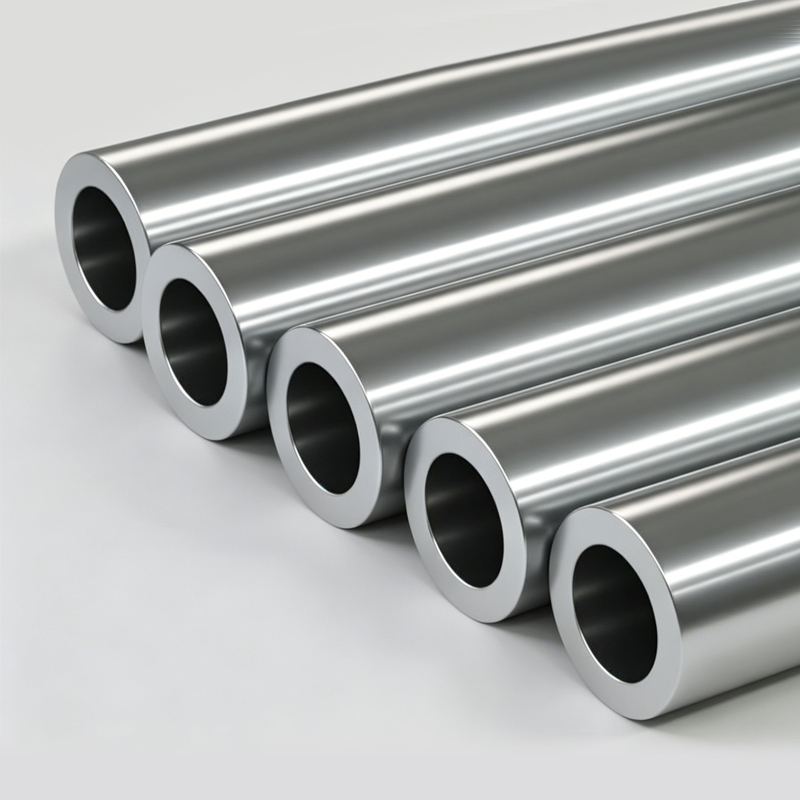
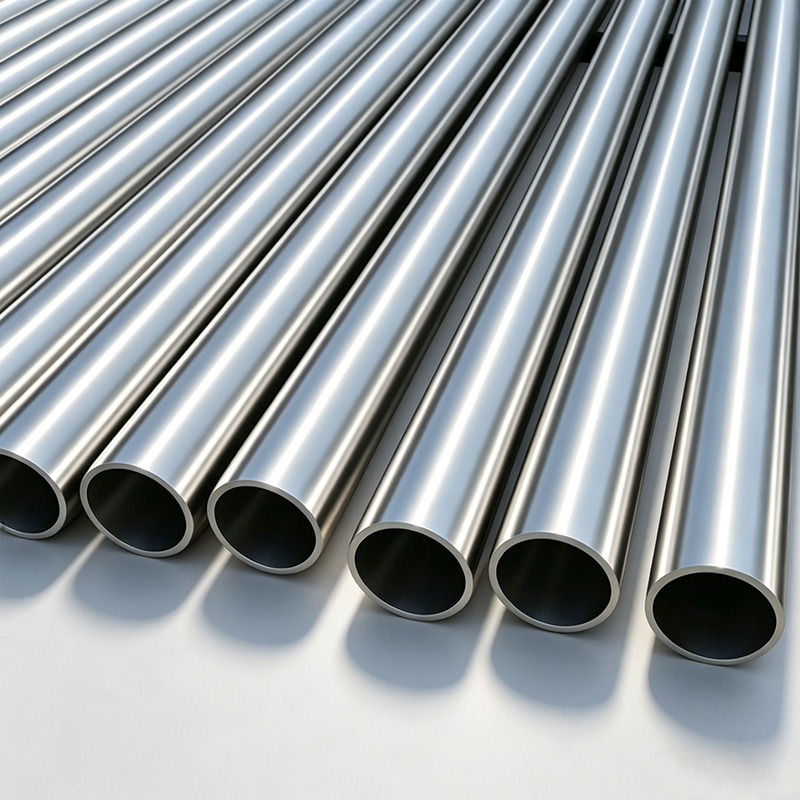
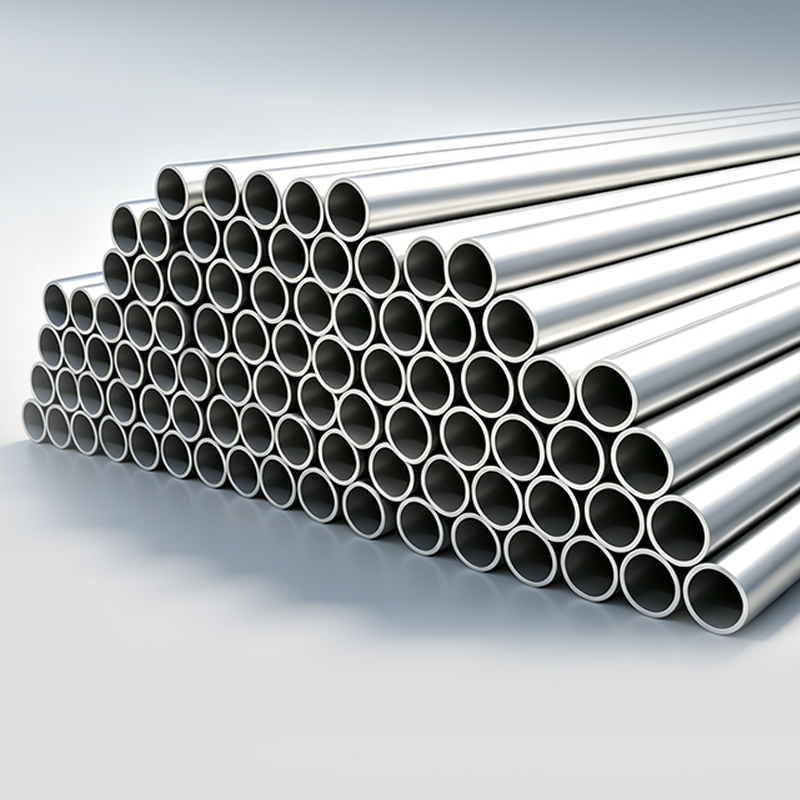
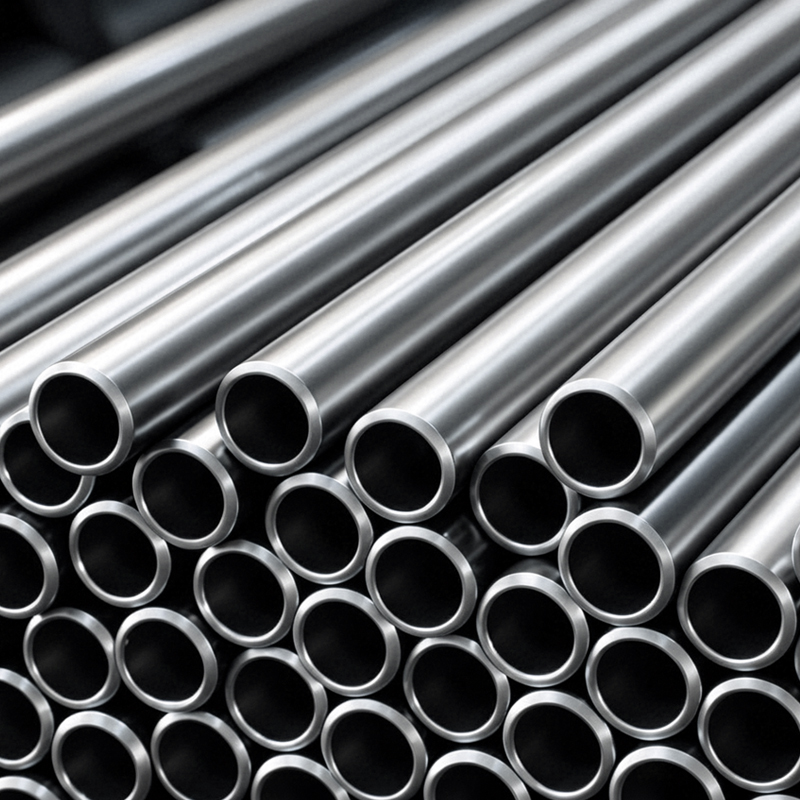
The main components of S30408 stainless steel pipes are iron, chromium, nickel, and other elements, with a relatively high chromium content of 19.0%–21.0% and a nickel content of 8.0%–11.0%. This composition gives S30408 stainless steel pipes excellent corrosion resistance, making them suitable for use in various corrosive environments such as food, chemical, and pharmaceutical industries. At the same time, S30408 stainless steel pipes also exhibit good high-temperature performance and processability. They can be used at high temperatures and are easy to cut, bend, weld, and perform other processing operations.
II. Uses of S30408 Stainless Steel Pipes
Due to their excellent corrosion resistance and long service life, S30408 stainless steel pipes have been widely used in various fields, according to Zhejiang Qibin Steel Pipe Technology Co., Ltd. In the food industry, S30408 stainless steel pipes can be used to manufacture and transport pipeline systems for beverages, drinking water, etc., ensuring water safety and hygiene. In the chemical industry, thanks to their strong corrosion resistance, they can be used to transport various corrosive media such as acids, alkalis, and salts. In the pharmaceutical industry, they can be used to manufacture medical devices and pharmaceutical equipment, meeting GMP requirements for pharmaceuticals. In addition, S30408 stainless steel pipes can also be used in building water supply and drainage systems, fire protection pipelines, and other fields.
III. Production Process of S30408 Stainless Steel Pipes
The production process of S30408 stainless steel pipes mainly includes smelting, continuous casting, rolling, and annealing. First, various raw materials are melted into molten steel in a certain proportion. Then, the molten steel is poured into a continuous casting machine for continuous casting to form steel billets. Next, the steel billets are fed into a rolling mill to be rolled into the required pipe shape and dimensions. Finally, the pipes are annealed to eliminate internal stresses and improve the plasticity and toughness of the material. During the production process, strict quality control and inspection are carried out to ensure product quality.



 No. 8, Fengshan Road, Industrial Park, Mohuan Township, Longyou County, Quzhou City, Zhejiang Province, China.
 +86-18857033688
 postmaster@zj-qibin.com

