
 English
 русский
 عربى
عربىMaterials & Manufacturing
A single billet, pierced and drawn into form — no seam, no weak line, no compromise. Here is how seamless steel pipe is made, and how carbon and alloy grades diverge in performance.
What Is a Seamless Steel Pipe?
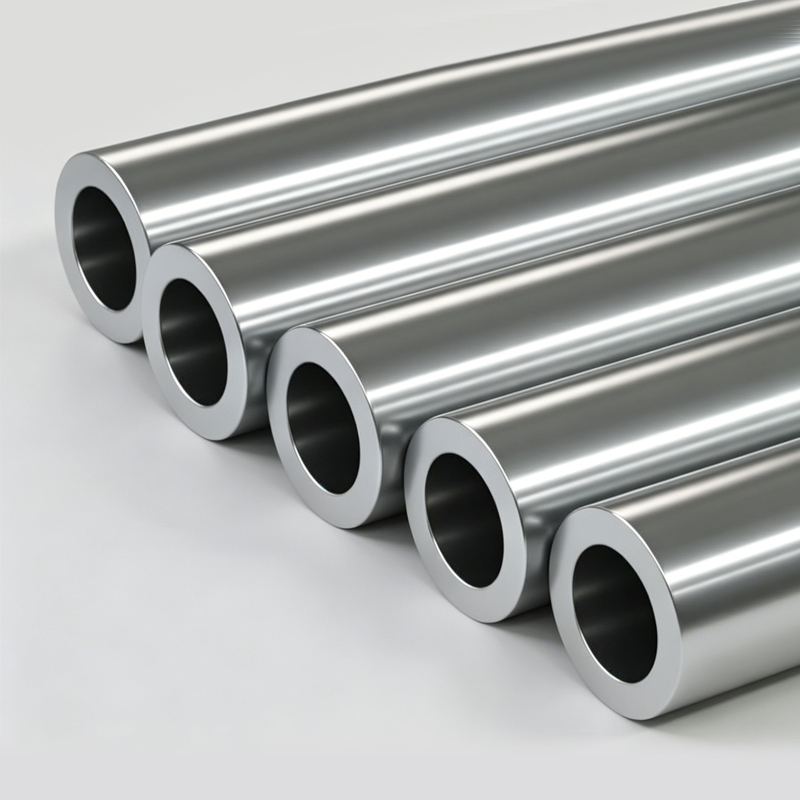
A seamless steel pipe is a hollow steel tube produced from a single solid billet that is pierced and formed into a tube without any welded seam. Unlike welded pipe, which is made by rolling a flat steel plate into a cylinder and fusing the edges together, a seamless pipe has no weld line, no fusion zone, and no heat-affected area running along its length. This structural continuity gives seamless pipe more uniform strength in every direction, which is why it is the preferred choice for high-pressure, high-temperature, and safety-critical piping systems in oil and gas, power generation, chemical processing, and heavy machinery.
Both carbon steel seamless steel pipe and alloy seamless steel tube fall under this manufacturing category, differing mainly in their chemical composition and the mechanical or corrosion-resistant properties that composition provides. Understanding how these pipes are made, and how the two material types differ, is essential for selecting the right product for a given application.
How Seamless Steel Pipe Is Manufactured
The manufacturing process transforms a solid round steel billet into a hollow tube through heating, piercing, elongation, and finishing. There are two dominant production routes: hot rolling for larger diameters and thicker walls, and cold drawing or cold rolling for smaller diameters and tighter tolerances.
Step 1: Billet Heating and Piercing
A solid steel billet is heated in a rotary furnace to a temperature typically between 1,200°C and 1,300°C, softening the metal enough to be pierced. The heated billet is then fed through a piercing mill, where rotating angled rolls and a fixed piercing point push through the center of the billet, creating a hollow shell known as a "mother tube." This step is what makes the pipe seamless from the very start, since the wall of the tube is formed from continuous parent metal rather than joined plates.
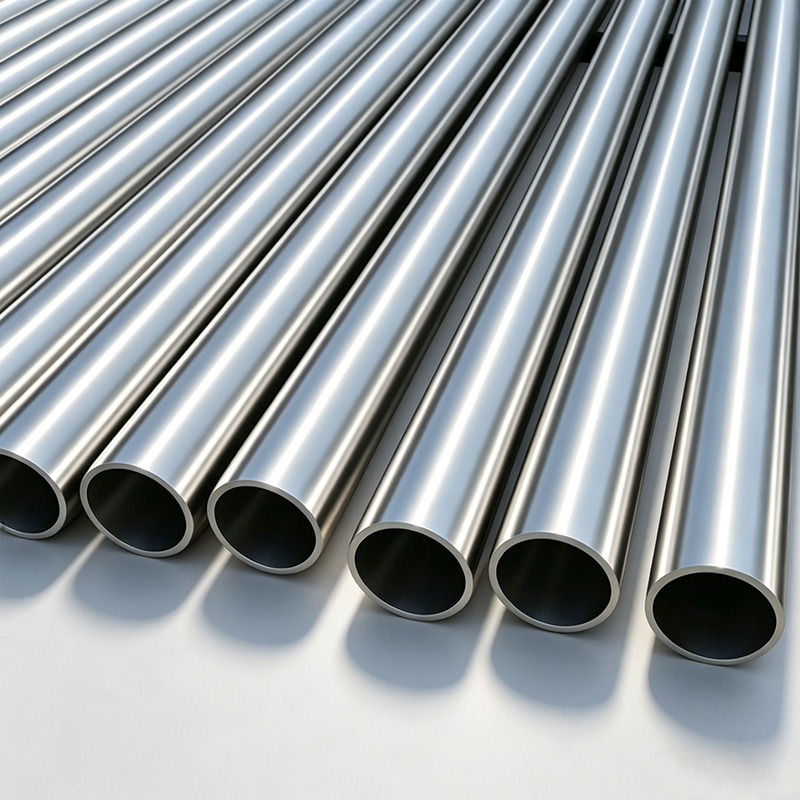
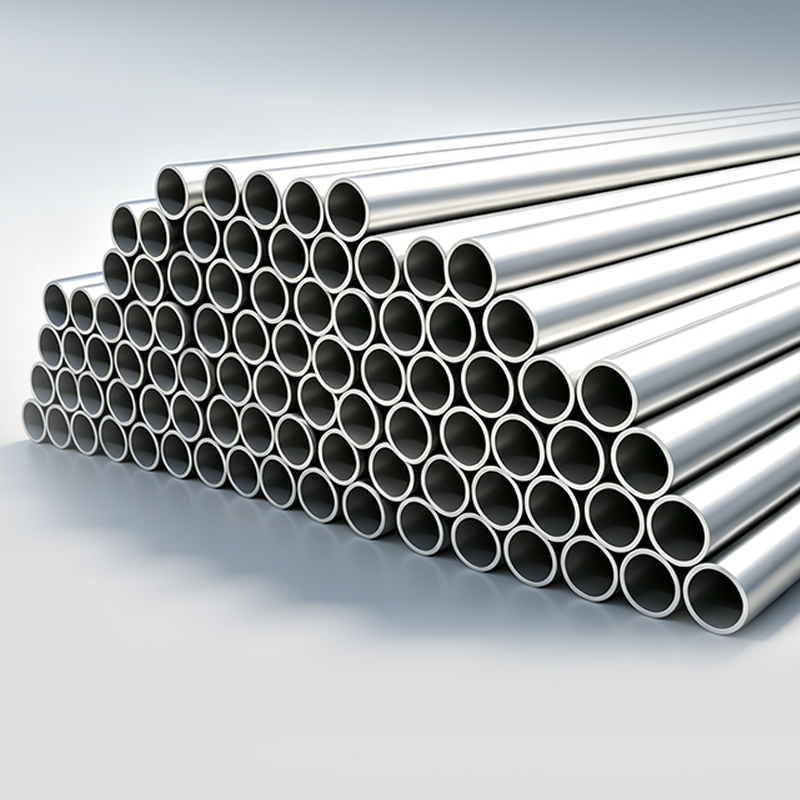
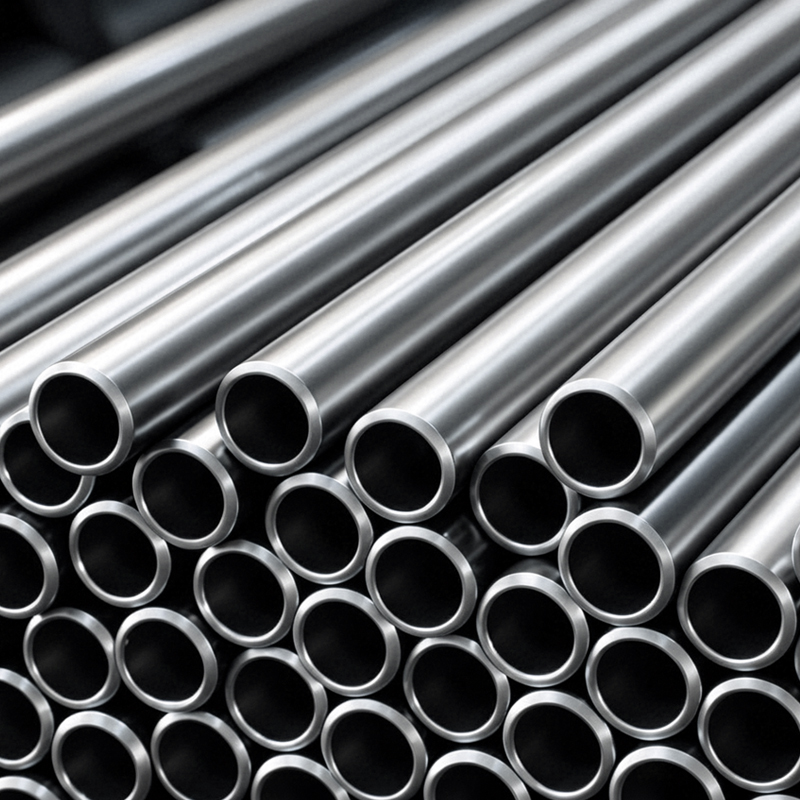
seamless steel pipe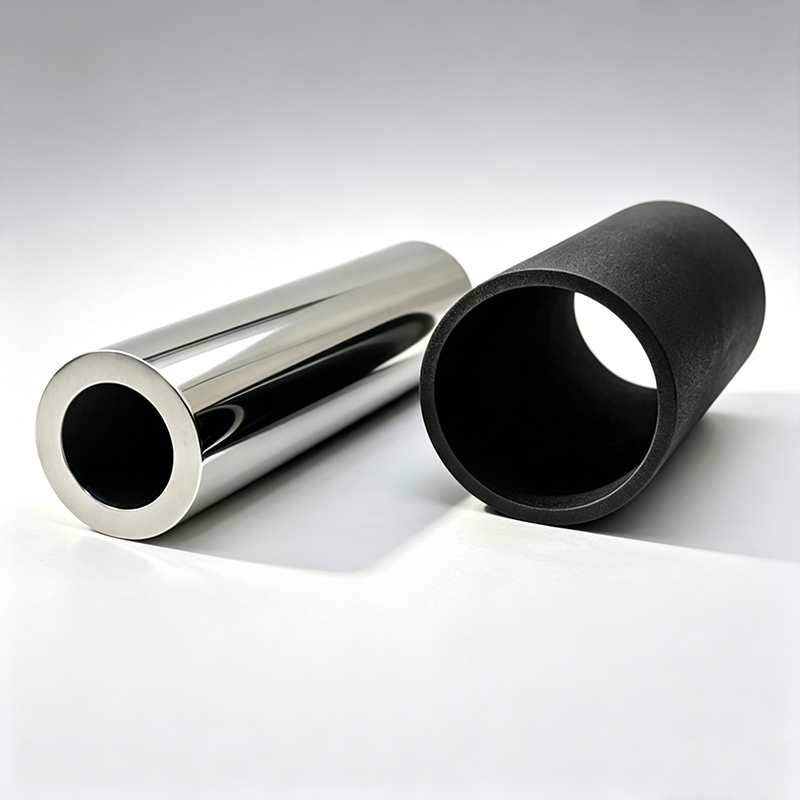
Step 2: Elongation and Sizing
The pierced shell then passes through an elongator or plug mill, which reduces wall thickness and stretches the tube to the target length and diameter. A final sizing mill fine-tunes the outer diameter to meet dimensional specifications. For thinner-walled or smaller-diameter products, the hot-rolled tube is subsequently processed through cold drawing, where the tube is pulled through a die and over an internal mandrel at room temperature. Cold drawing tightens tolerances, improves surface finish, and increases yield strength.
Step 3: Heat Treatment and Finishing
After forming, most seamless pipe undergoes heat treatment such as normalizing, annealing, or quenching and tempering, depending on the target mechanical properties. This relieves internal stresses introduced during forming and refines the grain structure. Final steps include straightening, cutting to length, end beveling or threading, surface cleaning, and non-destructive testing before the pipe is stamped, marked, and packaged for shipment.
Carbon Steel Seamless Steel Pipe vs. Alloy Seamless Steel Tube
While the manufacturing process is similar, the raw material makes a significant difference in performance. A carbon steel seamless steel pipe is composed primarily of iron and carbon, with only minor amounts of other elements, making it a cost-effective option for general structural, fluid transport, and low-to-moderate pressure applications. An alloy seamless steel tube, by contrast, includes deliberately added elements such as chromium, molybdenum, nickel, or vanadium, which enhance properties like high-temperature strength, oxidation resistance, and hardenability.
| Property | Carbon Steel Seamless Pipe | Alloy Seamless Steel Tube |
|---|---|---|
| Max Service Temperature | Up to 425°C | Up to 650°C or higher |
| Corrosion Resistance | Moderate, often requires coating | Higher, especially chromium-molybdenum grades |
| Relative Cost | Lower | Higher |
| Typical Applications | Structural, low-pressure fluid lines | Boilers, superheaters, high-pressure service |
Choosing between the two often comes down to the operating environment. If the pipe will only carry water, air, or low-pressure gas at moderate temperatures, a carbon steel seamless steel pipe is usually sufficient and more economical. If the application involves elevated temperatures, cyclic thermal loading, or exposure to corrosive media, an alloy seamless steel tube provides the added margin of safety needed for long-term reliability.
Standard Specifications and Size Range
Seamless steel pipe is manufactured according to internationally recognized standards that govern chemical composition, mechanical properties, dimensional tolerances, and testing requirements. Common standards include ASTM A106 and A53 for carbon steel pipe used in high-temperature service, ASTM A335 for alloy pipe used in power plants, and API 5L for line pipe used in oil and gas transmission. Selecting a pipe manufactured to the correct standard ensures compatibility with project engineering specifications and regulatory requirements.
| Parameter | Typical Range |
|---|---|
| Outer Diameter | 10.3 mm to 660 mm |
| Wall Thickness | 1.0 mm to 100 mm |
| Standard Length | 6 m, 9 m, or 12 m (customizable) |
Info
Always confirm the governing standard with your project engineer before ordering — the same nominal size can carry different wall thickness schedules depending on which standard applies.
Key Advantages of Seamless Construction
The absence of a weld seam gives seamless pipe several practical advantages over welded alternatives:
- Uniform strength around the full circumference, since there is no weaker heat-affected zone at a seam.
- Higher pressure ratings for a given wall thickness compared to welded pipe of the same material.
- Better fatigue resistance under cyclic loading, reducing the risk of crack initiation at a seam.
- Cleaner internal bore, which matters for applications sensitive to flow turbulence or contamination.
- Consistent performance in extreme service conditions, including cryogenic and high-temperature environments.
Warning
These advantages come at a higher production cost than welded pipe, so seamless pipe is typically specified when the application genuinely demands the extra margin in pressure rating or reliability, rather than as a default choice for every project.
Common Applications Across Industries
Seamless steel pipe is used wherever pressure integrity and material consistency are critical. In the oil and gas sector, it forms flowlines, casing, and tubing for well drilling and hydrocarbon transport. In power generation, carbon steel seamless steel pipe and alloy seamless steel tube are both used extensively in boiler tubing, superheater lines, and steam headers, where the alloy grades handle the highest temperature zones. Other common uses include:
- Hydraulic and pneumatic cylinder tubing in heavy machinery.
- Structural supports for bridges, towers, and offshore platforms.
- Heat exchanger and condenser tubing in chemical and petrochemical plants.
- Automotive components requiring precise dimensional tolerances.
- High-pressure fluid and gas transmission pipelines.
Quality Inspection and Testing Methods
Because seamless pipe is often used in critical service, manufacturers apply multiple layers of inspection before release. Ultrasonic testing (UT) checks for internal flaws such as inclusions or laminations. Eddy current testing detects surface and near-surface defects, particularly useful for smaller-diameter tubing. Hydrostatic testing pressurizes each pipe with water to a level well above its rated working pressure to confirm it holds without leaking or deforming. Dimensional checks verify outer diameter, wall thickness, ovality, and straightness against the governing standard. Chemical composition is verified through spectrographic analysis, and mechanical properties such as tensile strength, yield strength, and elongation are confirmed through destructive sample testing.
Success
Reputable suppliers provide a mill test certificate documenting these results for every batch — always request it before accepting delivery.
How to Choose the Right Seamless Steel Pipe
Selecting the right pipe starts with defining the operating conditions clearly. Key factors to evaluate include:
- Operating pressure and temperature, which determine whether carbon steel or alloy grade material is required.
- Media being transported, since corrosive or high-purity fluids may call for alloy or stainless grades.
- Applicable industry standard and certification requirements for the project or region.
- Required outer diameter, wall thickness, and end preparation (plain end, beveled, or threaded).
- Budget constraints balanced against the long-term cost of failure or maintenance.
Danger
Never substitute a carbon steel seamless steel pipe in a high-temperature or corrosive-media application where an alloy seamless steel tube is specified — premature failure under these conditions can be catastrophic.
A carbon steel seamless steel pipe is generally the right call for standard structural or moderate-pressure applications where cost efficiency matters most. An alloy seamless steel tube becomes the necessary choice once temperatures, pressures, or corrosive conditions exceed what plain carbon steel can reliably handle. Working from documented mill test certificates and matching the pipe grade to the applicable standard is the most reliable way to avoid premature failure and ensure long-term system performance.