
 English
 русский
 عربى
عربىApplications & Sectors
From wellbores three miles underground to superheated boiler headers, seamless steel pipe carries the pressure that welded pipe cannot. Here is where it's used, and why.
What Industries Commonly Use Seamless Steel Pipe?
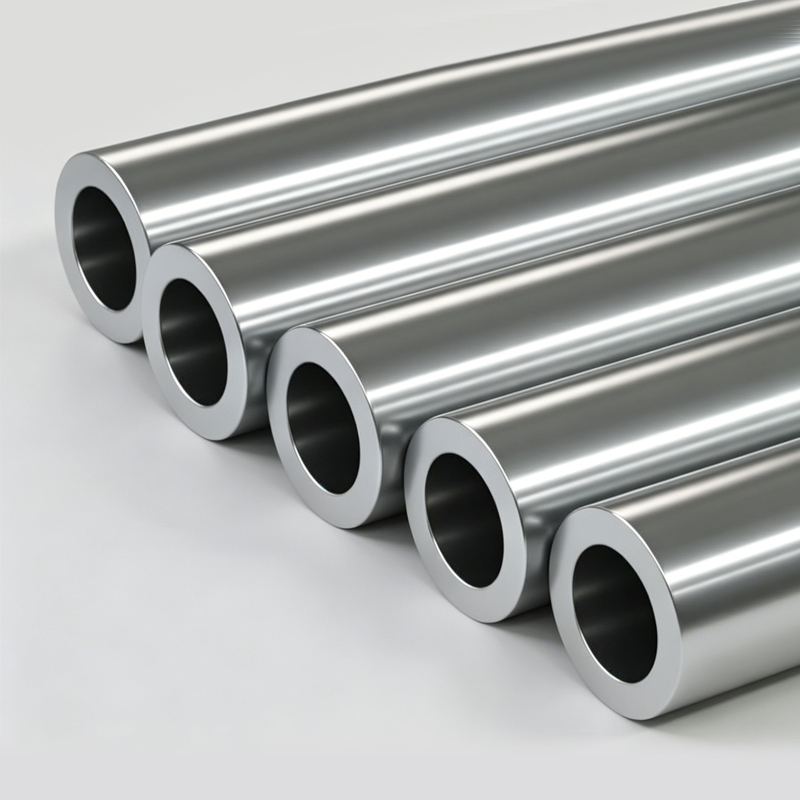
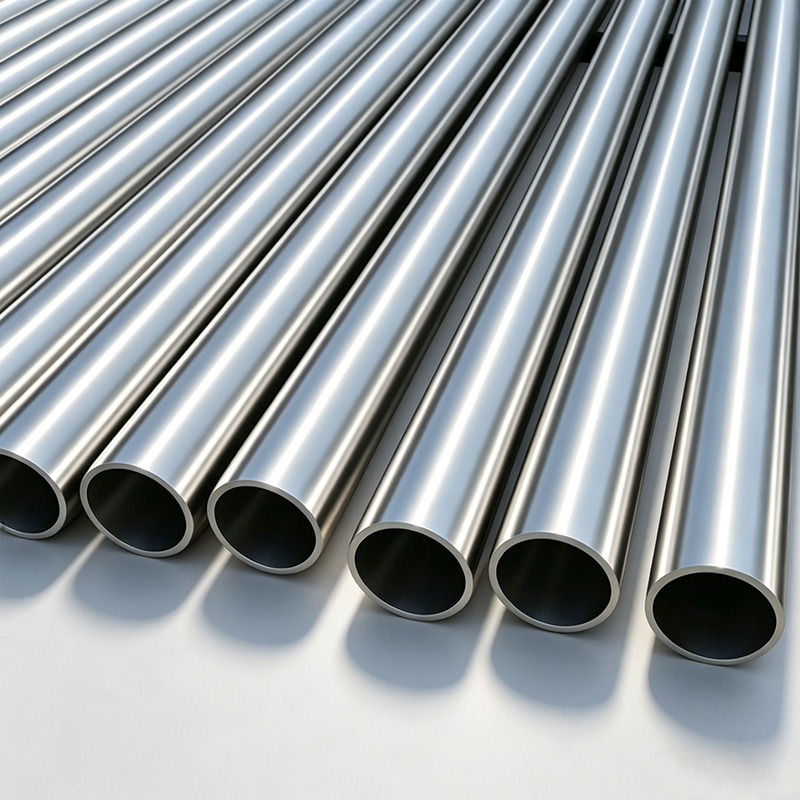
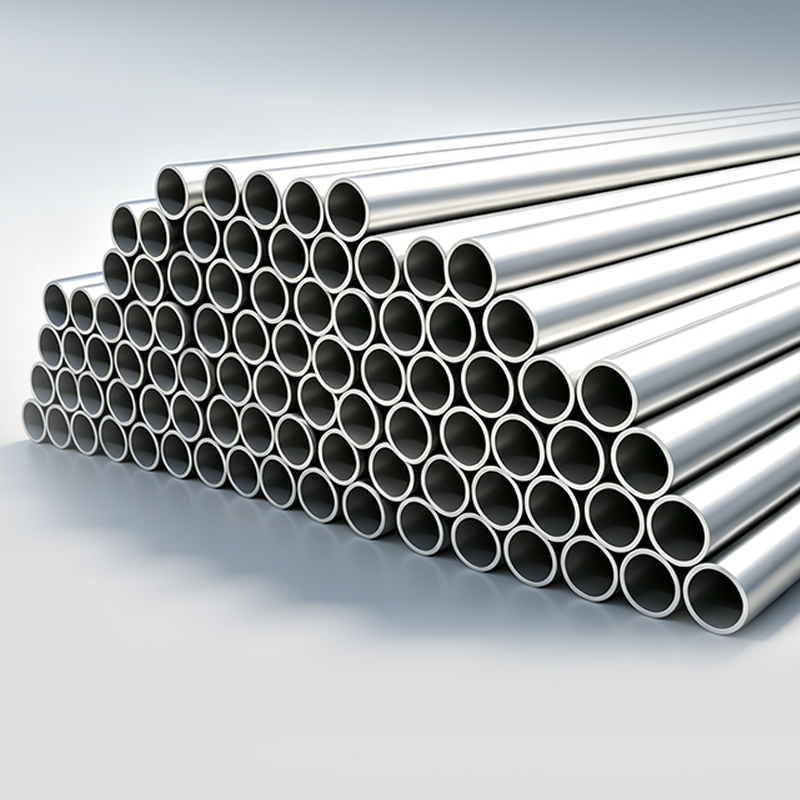
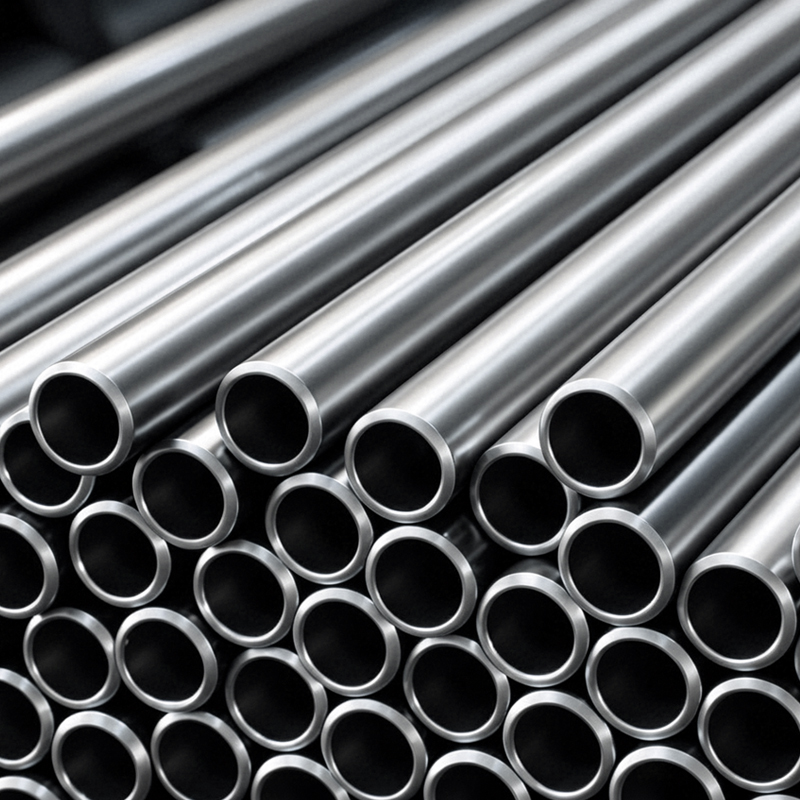
Seamless steel pipe is used most extensively in the oil and gas, power generation, petrochemical, automotive, construction, and shipbuilding industries, wherever high pressure, high temperature, or structural reliability rules out the use of welded alternatives. Because the pipe is formed from a single piece of metal with no seam, it delivers uniform strength around its full circumference, making it the material of choice for critical fluid transport, load-bearing structures, and equipment exposed to extreme operating conditions. Both seamless carbon steel tube and alloy steel seamless pipes serve these sectors, with the choice between them depending on temperature, pressure, and corrosion requirements specific to each industry.
Below is a closer look at exactly where and why these industries rely on seamless pipe, along with the grades and specifications most commonly requested in each.
Oil and Gas Industry
The oil and gas sector is the single largest consumer of seamless steel pipe worldwide. Pipe is used for well casing, production tubing, flowlines, and cross-country transmission pipelines, all of which must withstand high internal pressure, fluctuating temperatures, and exposure to sour or corrosive hydrocarbons. API 5L and API 5CT are the two standards most frequently specified for line pipe and oil country tubular goods (OCTG) in this industry.
Downhole and Wellhead Applications
Casing and tubing installed downhole must resist collapse pressure, burst pressure, and axial tension simultaneously, conditions that a seamless carbon steel tube handles reliably in shallow to medium-depth wells. In deeper or sour-service wells, where hydrogen sulfide exposure risks stress corrosion cracking, operators move to alloy steel seamless pipes with chromium-molybdenum content for improved resistance.
alloy steel seamless pipe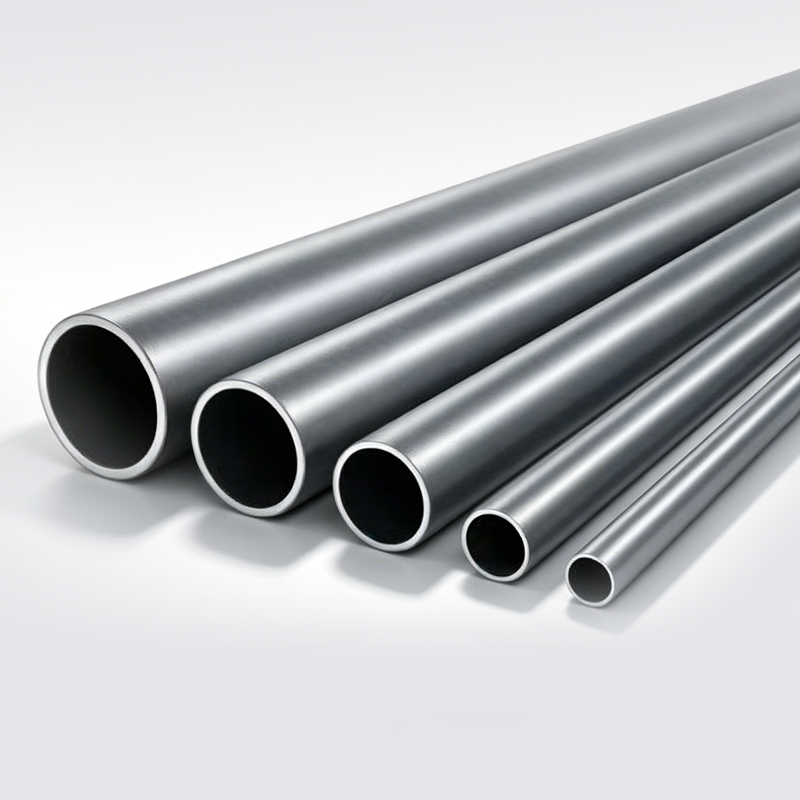
Midstream Transmission
Cross-country pipelines transporting crude oil and natural gas over long distances depend on seamless pipe's uniform wall strength to maintain integrity under sustained internal pressure, sometimes exceeding 10 MPa, over thousands of kilometers of buried or above-ground installation.
Power Generation
Power plants, whether coal-fired, gas-fired, or nuclear, rely on seamless pipe for boiler tubing, superheater lines, steam headers, and feedwater piping. These systems operate at extreme temperatures and pressures where any weld seam would represent a point of weakness. A typical supercritical boiler operates at pressures above 22 MPa and steam temperatures exceeding 600°C, conditions that demand alloy steel seamless pipes made from chromium-molybdenum or advanced ferritic steels.
Lower-temperature sections of the plant, such as condensate return lines and auxiliary steam systems, can often use seamless carbon steel tube, offering cost savings where the extreme performance of alloy grades is not required.
Petrochemical and Chemical Processing
Refineries and chemical plants use seamless pipe extensively in heat exchangers, reactors, distillation columns, and process piping that carries corrosive or high-temperature fluids. The combination of chemical exposure and thermal cycling makes seam integrity especially important, since a weld seam in a welded pipe would be the first point of failure under repeated stress.
Common applications include:
- Heat exchanger and condenser tubing exposed to corrosive process fluids.
- High-pressure reactor feed and outlet piping.
- Hydrocracking and catalytic reforming units operating above 400°C.
- Sulfuric acid and other corrosive chemical transfer lines.
Construction and Structural Engineering
In construction, seamless steel pipe is used for structural columns, piling, bridge supports, and load-bearing frameworks where consistent strength and predictable load behavior are essential. Because seamless pipe has no weld seam to act as a stress concentration point, it performs more reliably under the cyclic and dynamic loads experienced by tall structures, offshore platforms, and long-span bridges.
Seamless carbon steel tube is the standard choice for most structural applications, since the loads involved are primarily mechanical rather than thermal or chemical, making the added cost of alloy material unnecessary in most cases.
Info
Structural specifications typically reference wall thickness and yield strength rather than pressure rating — confirm which standard your project follows before ordering.
Automotive and Machinery Manufacturing
The automotive industry uses seamless pipe for precision components such as axle housings, drive shafts, hydraulic cylinder barrels, and steering components. These applications demand tight dimensional tolerances and consistent mechanical properties, both of which are achieved through cold-drawn seamless tube production. Wall thickness tolerances in automotive-grade seamless tube are often held to within ±0.1 mm, a level of precision that welded pipe cannot reliably match.
In heavy machinery and hydraulic equipment, seamless pipe is used for cylinder tubing that must withstand repeated pressure cycling without fatigue failure, a performance requirement that favors the uniform grain structure of seamless construction over welded alternatives.
Shipbuilding and Marine Engineering
Shipbuilders use seamless pipe for high-pressure hydraulic systems, engine cooling lines, fuel supply piping, and steam systems aboard vessels. Marine environments expose piping to constant vibration, saltwater corrosion, and pressure fluctuations, all of which favor the fatigue resistance and structural consistency of seamless construction. Alloy steel seamless pipes with enhanced corrosion resistance are frequently specified for seawater cooling systems, while seamless carbon steel tube remains common in less corrosive onboard applications such as compressed air lines.
Warning
Saltwater cooling circuits are especially prone to pitting corrosion — confirm alloy content and coating requirements before specifying pipe for marine service.
Industry Comparison Table
The table below summarizes typical operating conditions and preferred pipe types across the industries discussed.
| Industry | Typical Operating Condition | Preferred Pipe Type |
|---|---|---|
| Oil and Gas | High pressure, sour service | Alloy steel seamless pipes |
| Power Generation | Extreme temperature and pressure | Alloy steel seamless pipes |
| Petrochemical | Corrosive fluids, high heat | Alloy steel seamless pipes |
| Construction | Mechanical load, low temperature | Seamless carbon steel tube |
| Automotive | Precision dimensions, cyclic load | Seamless carbon steel tube |
| Shipbuilding | Saltwater exposure, vibration | Both types, depending on system |
Why Industries Choose Seamless Over Welded Pipe
Across all of these industries, the underlying reason for choosing seamless pipe is consistent: reliability under stress. A welded pipe's seam represents a localized zone of altered microstructure that can become a starting point for fatigue cracks, corrosion attack, or pressure failure over time. Seamless pipe eliminates this weak point entirely, offering:
- Higher allowable pressure ratings for a given wall thickness.
- Better resistance to fatigue failure under cyclic loading.
- More predictable mechanical behavior across the full cross-section.
- Improved performance in extreme temperature or corrosive service.
Success
These properties come at a higher manufacturing cost than welded pipe, which is why industries reserve seamless pipe for applications where the consequences of failure justify the investment.
Choosing Between Carbon Steel and Alloy Seamless Pipe by Industry
When specifying seamless pipe for a project, the decision between a seamless carbon steel tube and alloy steel seamless pipes should be guided by the specific temperature, pressure, and corrosion profile of the intended service, not by industry alone. A construction project and a low-pressure automotive component can both use carbon steel grades economically, while a supercritical boiler or a sour-gas wellbore will require the enhanced properties of alloy material regardless of industry sector.
Danger
Specifying carbon steel where alloy grade is required — or vice versa without cause — is one of the most costly procurement mistakes in industrial piping projects. Always match the grade to the documented service condition.
Reviewing the applicable design standard, whether API, ASTM, or an equivalent national code, alongside documented mill test certificates remains the most reliable way to match pipe grade to service condition and avoid premature failure in the field.