 English
 русский
 عربى
عربىIndustry News
Home / News / Industry News / Easy-to-Maintain Stainless Steel Seamless Pipes: Maintenance and Grade Selection Guide

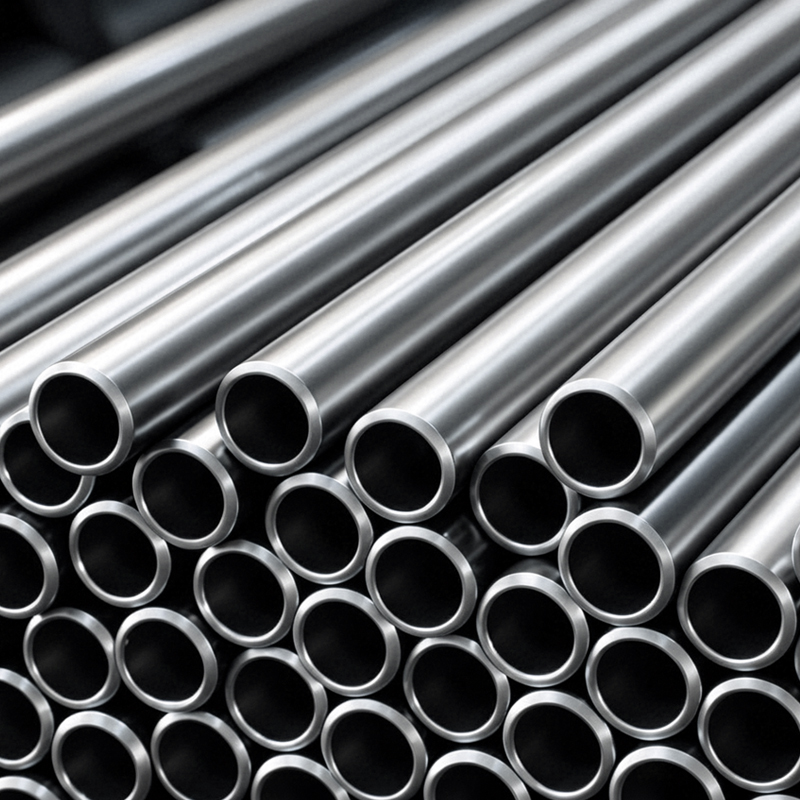
No plant manager wants to spend a weekend removing rust streaks from machined parts or explaining why a batch of tubes failed in storage. That is why maintenance behavior becomes a purchasing criterion for seamless pipe. When buyers ask for an easy-to-maintain stainless steel seamless pipe, they are usually looking for three things: corrosion resistance, a surface that cleans up quickly, and a structure with no crevices for moisture to hide in. Stainless steel performs well on all three counts.
The practical consequence is a lower maintenance workload, but only when the correct grade is selected. The wrong grade, even in stainless, can develop pitting or stress corrosion. So the decision starts with matching the material to the actual environment, not with picking the most expensive alloy.
Stainless steel contains enough chromium to form a thin, self-repairing oxide layer on the surface. As long as that layer remains intact, the pipe resists rusting and staining far better than carbon steel or ordinary alloy steel. That reduces the frequency of maintenance and the need for chemical treatments during the life of the part.
A welded pipe has a longitudinal seam that may be slightly rougher than the surrounding surface. That seam can collect moisture, harbor contaminants, and become the first place for corrosion to start. A seamless pipe avoids that issue entirely because the tube is rolled and cold-drawn as a single piece. The result is a cleaner surface finish and a more predictable inspection surface. This is a useful advantage in mechanical applications where the pipe is machined, coated, or left exposed in service.
Before you plan a cleaning schedule, you must settle on a material. For manufacturers producing shafts, rollers, housings, and machine parts, the right choice is not always stainless steel. The environment defines the cost of maintenance. In a dry indoor machine shop, a well-finished carbon steel pipe with anti-rust protection can be easy to maintain as well. Outside, near moisture or chemicals, stainless steel is more forgiving. If you are still comparing material families, pay attention to the difference in total cost, not just the purchase price. Our guide on choosing the right seamless steel tube explains the key specification points in a practical way.
For machinery parts that see real load, a high-strength 40Cr alloy seamless pipe for machinery is a reliable, cost-effective alternative to upgrading to stainless. 40Cr responds well to quenching and tempering, and the cold-rolled surface stays clean during machining. When the part needs moderate core strength and hardness after heat treatment, a 20Cr alloy steel seamless pipe offers a practical starting point. Both are easy to maintain if you control the environment and apply the correct protective coating after machining.
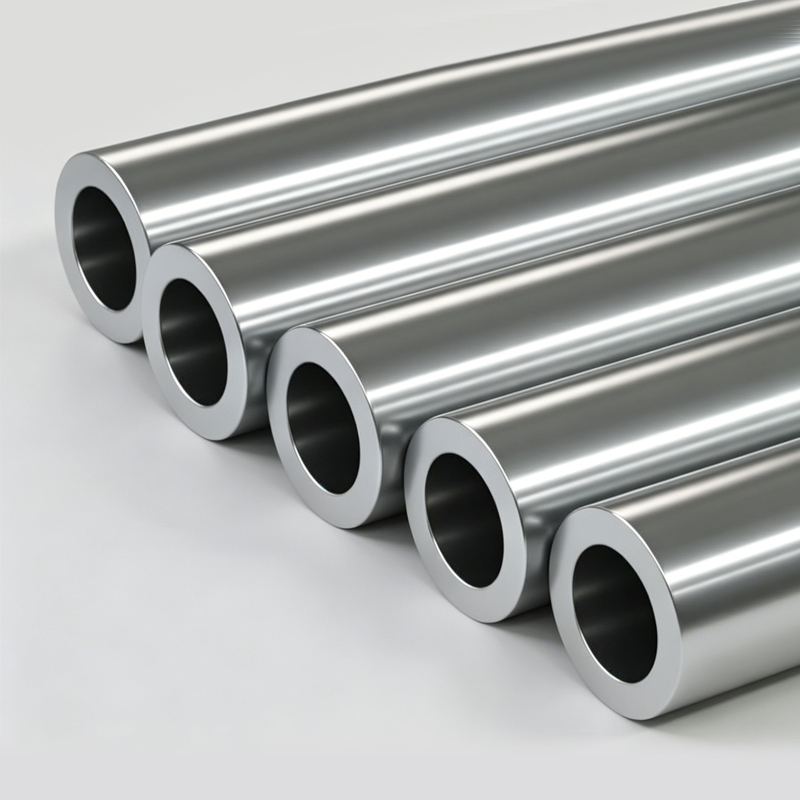 Wholesale High Strength 40Cr Alloy Seamless Steel Pipe for Machinery Suppliers, Zhejiang Qibin Steel Pipe Technology Co., Ltd is China wholesale High Strength 40Cr Alloy Seamless Steel Pipe for Machinery suppliers and...View Product →
Maintenance cost emerges from cleaning, inspection, and rework frequency. When you buy seamless pipe, you can control that cost during specification and storage:
For stainless steel seamless pipes, cleaning does not require aggressive solvents. A mild detergent, warm water, and a soft cloth remove dust and oil films. Wipe along the longitudinal direction to avoid trapping particles in fine surface scratches. For carbon or alloy steel pipe that was stored with preservative oil, regular cleaning with a neutral degreaser and immediate re-oiling will keep the surface stable between operations.
Check for surface discoloration, pitting, and residue build-up near machined ends. Pay special attention to areas that contact fixtures, clamps, and cutting fluid. Early detection keeps a small surface issue from becoming a rejected batch. The table below summarizes how different seamless pipe groups behave in a mechanical manufacturing environment.
| Pipe group | Common attack point | Maintenance approach | Best suited environment |
|---|---|---|---|
| Stainless steel seamless pipe | Pitting or surface contamination | Mild detergent cleaning and periodic passivation | Humid or chemically exposed areas |
| Carbon steel seamless pipe | Surface rust during storage | Clean, dry storage with anti-rust oil | Indoor machine shops with controlled humidity |
| Alloy steel seamless pipe | Rust after heat-treatment residue | Neutralize residue and reapply oil after processing | Loaded mechanical parts that need a protective film |
Once the pipe is cut, turned, or drilled, the fresh surface is more active than the original mill finish. A 45 carbon steel seamless pipe, for example, is widely used for shafts and rollers because it machines predictably. With a thin layer of anti-rust oil, it stays stable between operations. The same logic applies to alloy steel and stainless: final protection defines how long the part remains easy to clean and safe to assemble. If you prefer to review the available options by material group, the carbon steel seamless pipe range is a good place to start.
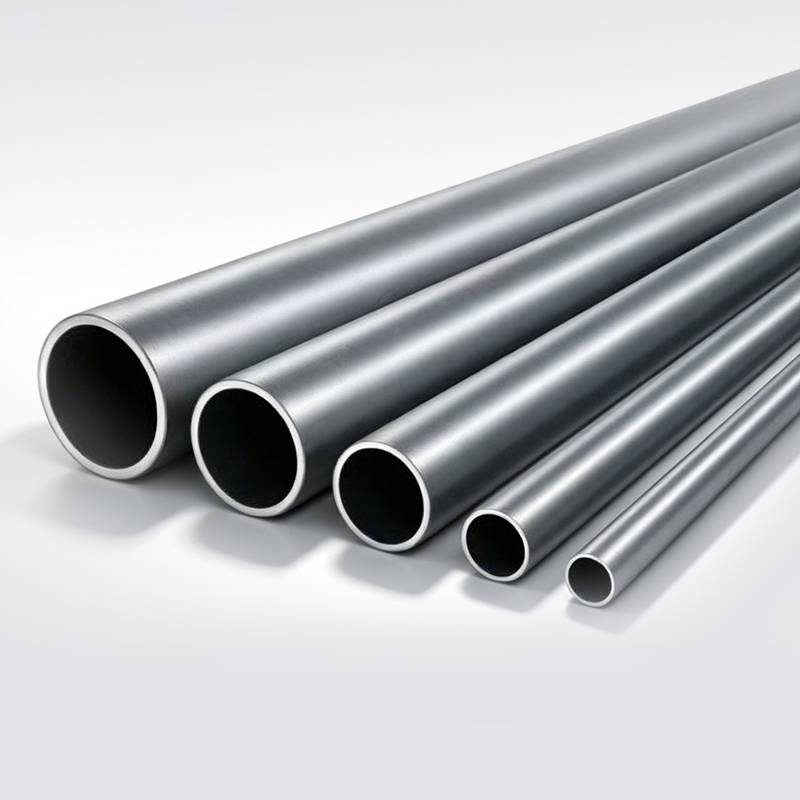 Wholesale 45# Carbon steel seamless pipe Suppliers, Factory - Zhejiang Qibin SteZhejiang Qibin Steel Pipe Technology Co., Ltd is China wholesale 45# Carbon steel seamless pipe suppliers and factory,Outer diameter: 12m...View Product →
There is no single grade that fits every application. Stainless steel seamless pipe is easy to maintain in humid, chemical, or hygienic environments because its self-protecting surface reduces routine work. In ordinary machine shops, carbon steel and alloy steel seamless pipes can also be easy to maintain when the environment is controlled and the surface is protected.
Cold rolling makes a difference here. Tight dimensional control and a smoother surface mean less variation for the machinist, fewer places for rust to start, and a shorter cleaning cycle between operations. As a seamless pipe manufacturer, Zhejiang Qibin Steel Pipe Technology Co., Ltd. applies that approach across its cold-rolled product range, helping buyers choose a practical balance between material cost, machining behavior, and maintenance effort. The easiest pipe to maintain is the one that fits its working environment from the start.


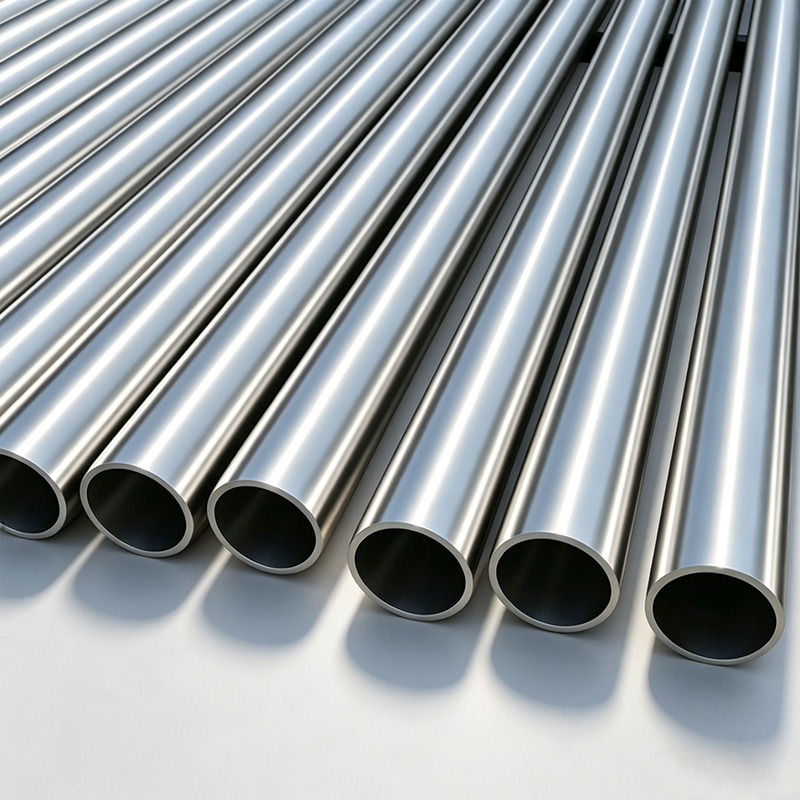
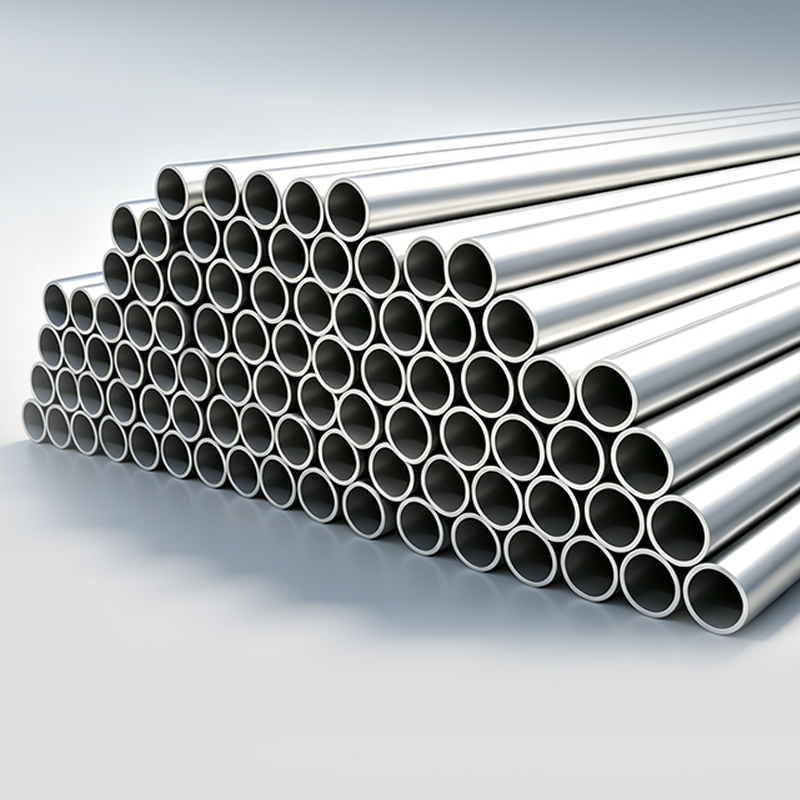
Seamless Stainless Steel Pipe Meaning: A One-Piece Tube Without a Weld What th...
Read MoreSeamless Piping Specification Seamless Stainless Steel Pipe Standards: A Buyer'...
Read MoreSeamless Stainless Steel Pipe Schedule: What the Callout Really Fixes A schedul...
Read MoreSeamless Pipe Engineering Seamless Stainless Steel Pipe Pressure Rating: Not a ...
Read More

 No. 8, Fengshan Road, Industrial Park, Mohuan Township, Longyou County, Quzhou City, Zhejiang Province, China.
 +86-18857033688
 postmaster@zj-qibin.com

